11°C
11°C 8°C
8°C
Article title
Through the Be Ready project, the municipality of Ratiboř has joined the search for solutions to mitigate the effects of summer heat and improve the environment for everyday life...
European cities are increasingly threatened by the urban heat island effect, where a combination of dense development, paved surfaces, and lack of vegetation leads to significantly higher temperatures than in the surrounding countryside. The Be Ready project presents an approach of "urban acupuncture," a strategy of small, targeted, and contextually designed interventions that can bring measurable improvements in thermal comfort, environmental quality, and public space. Within the project, the measures are structured into three types—green, blue, and white acupuncture—which combine vegetation, water features, and innovative materials to mitigate the effects of heat.
All the findings of the Be Ready project are described in the attached document—Acupuncture for Healthy Heat-resilient Communities (in English).
From strategy to reality – inspiring solutions from European cities within the Be Ready project in the Danube region
- Green acupuncture – represents measures based on vegetation, which, thanks to shade and natural cooling through water evaporation, help to reduce the temperature in the city and improve the microclimate.
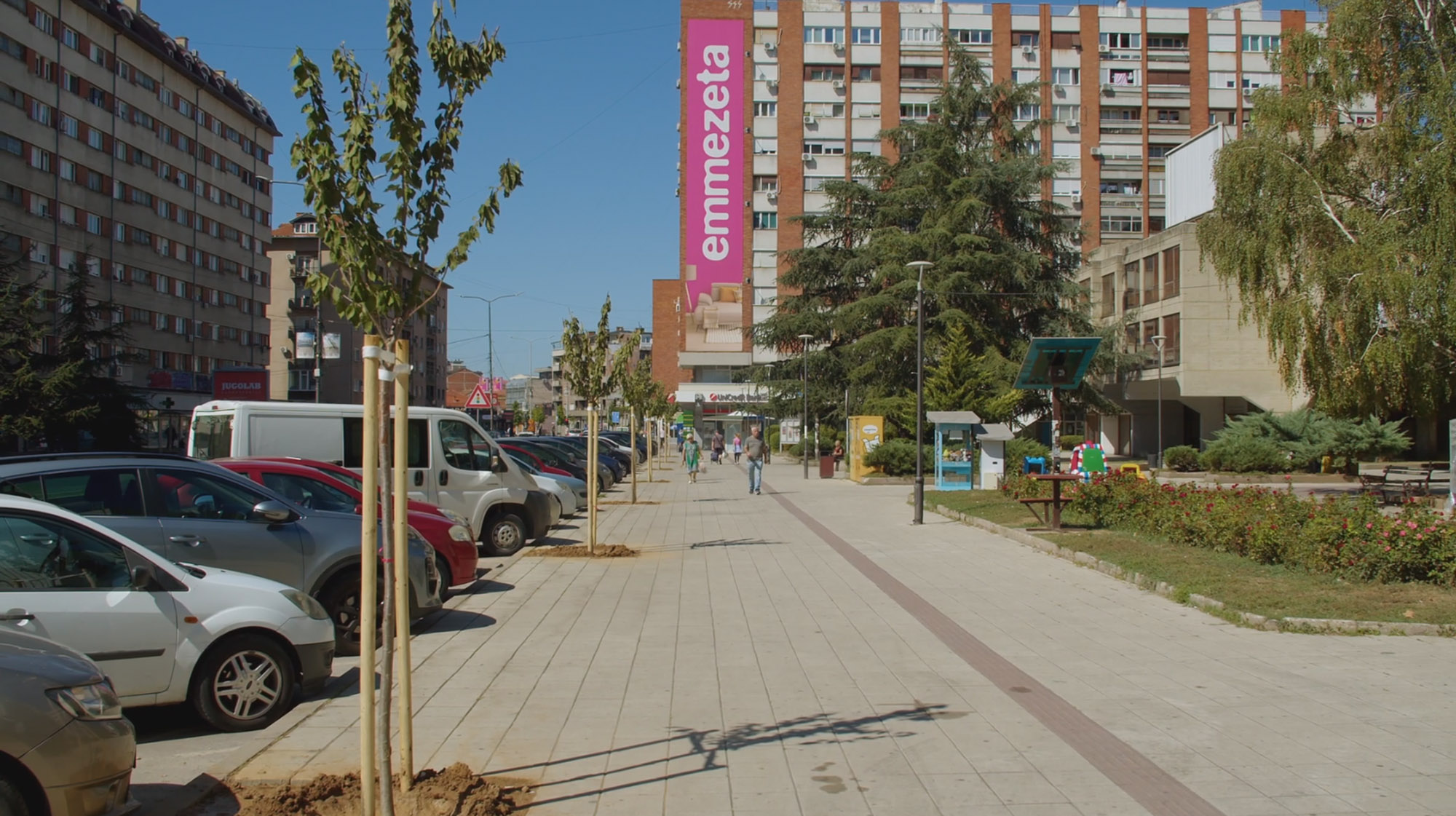
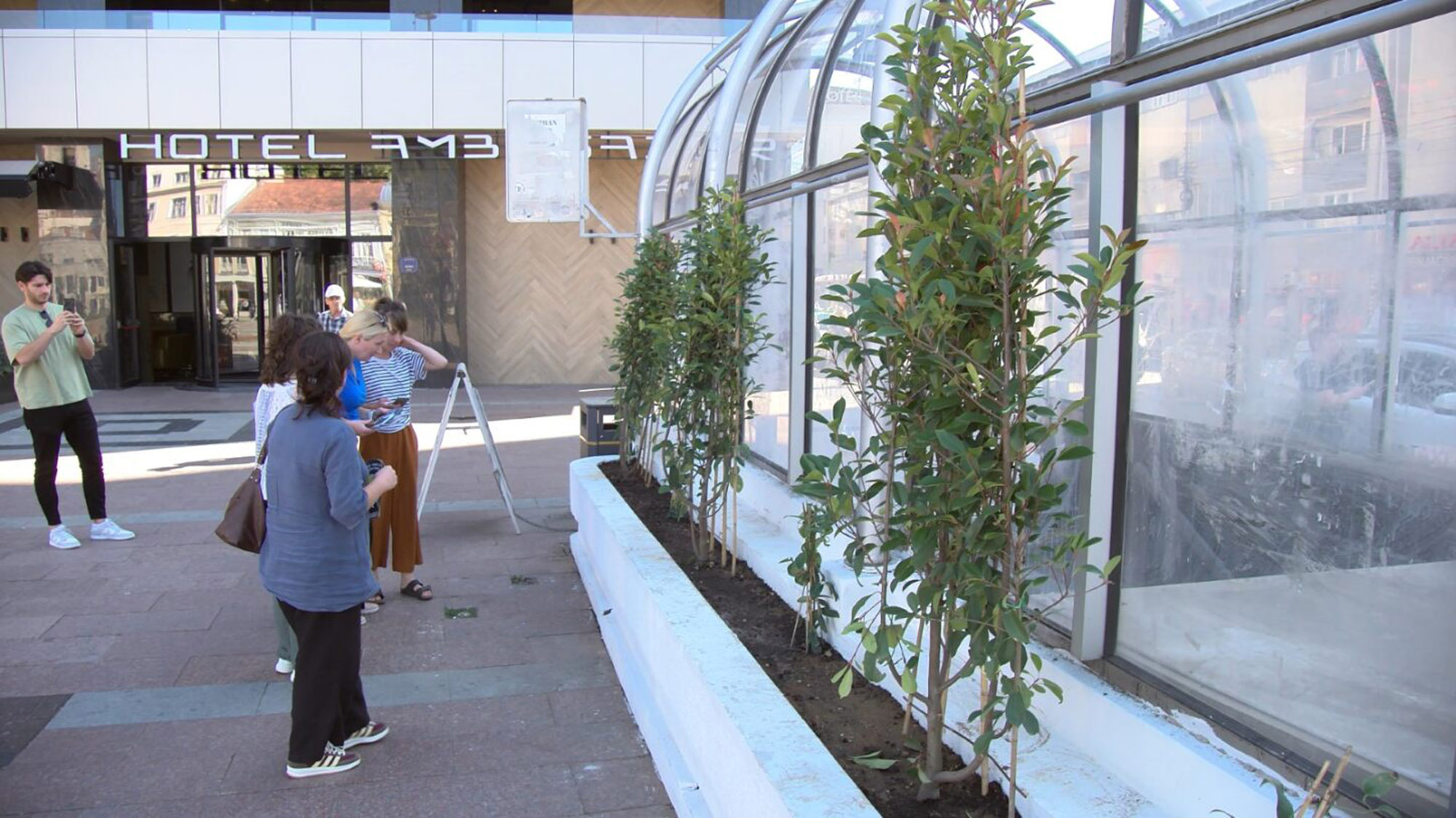
City of Niš – Greener City Center
The intervention combined vertical greening and new tree planting in an exposed urban space. In addition to physical modifications, the project strengthened public engagement and supported long-term green infrastructure planning.
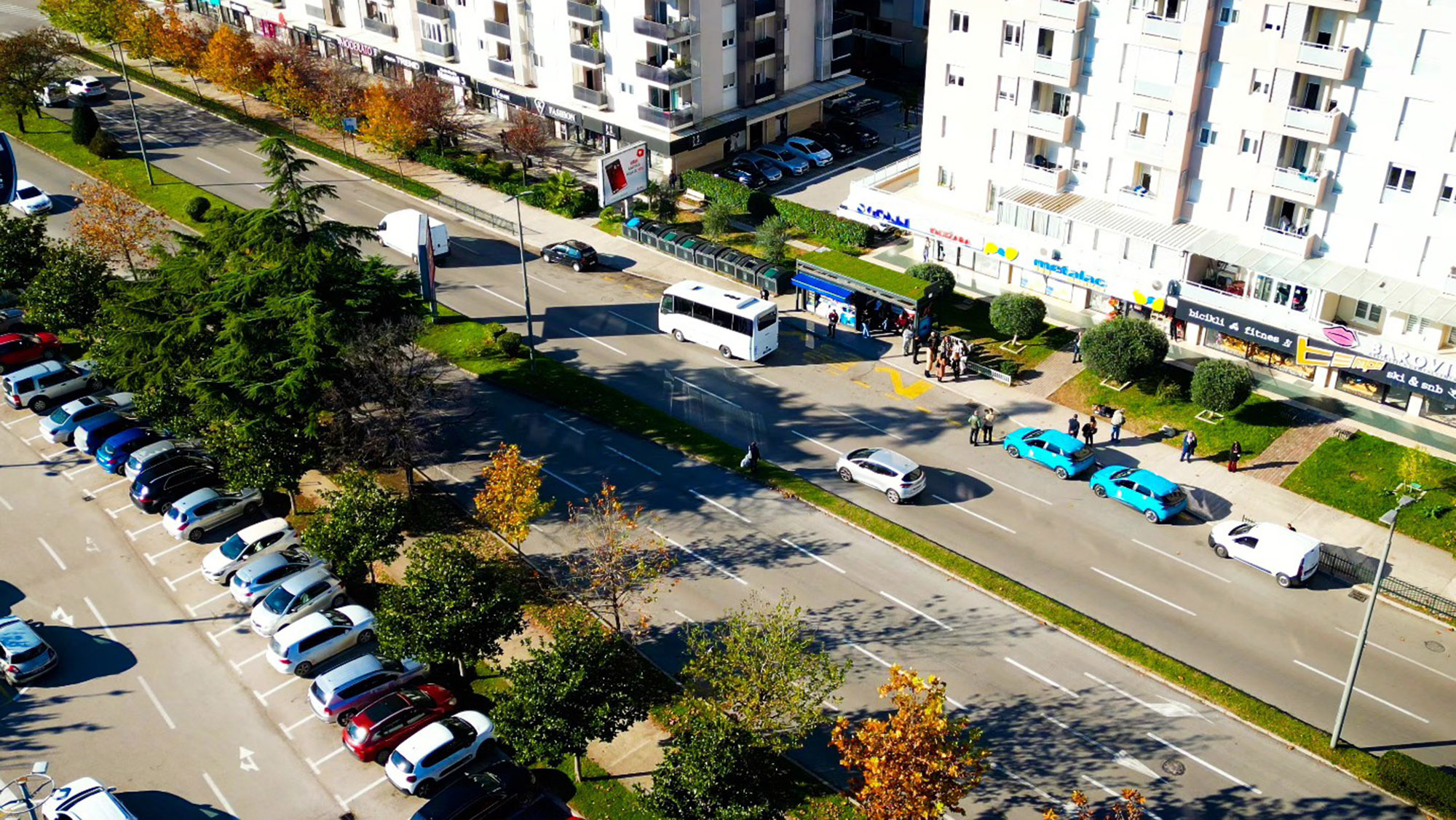
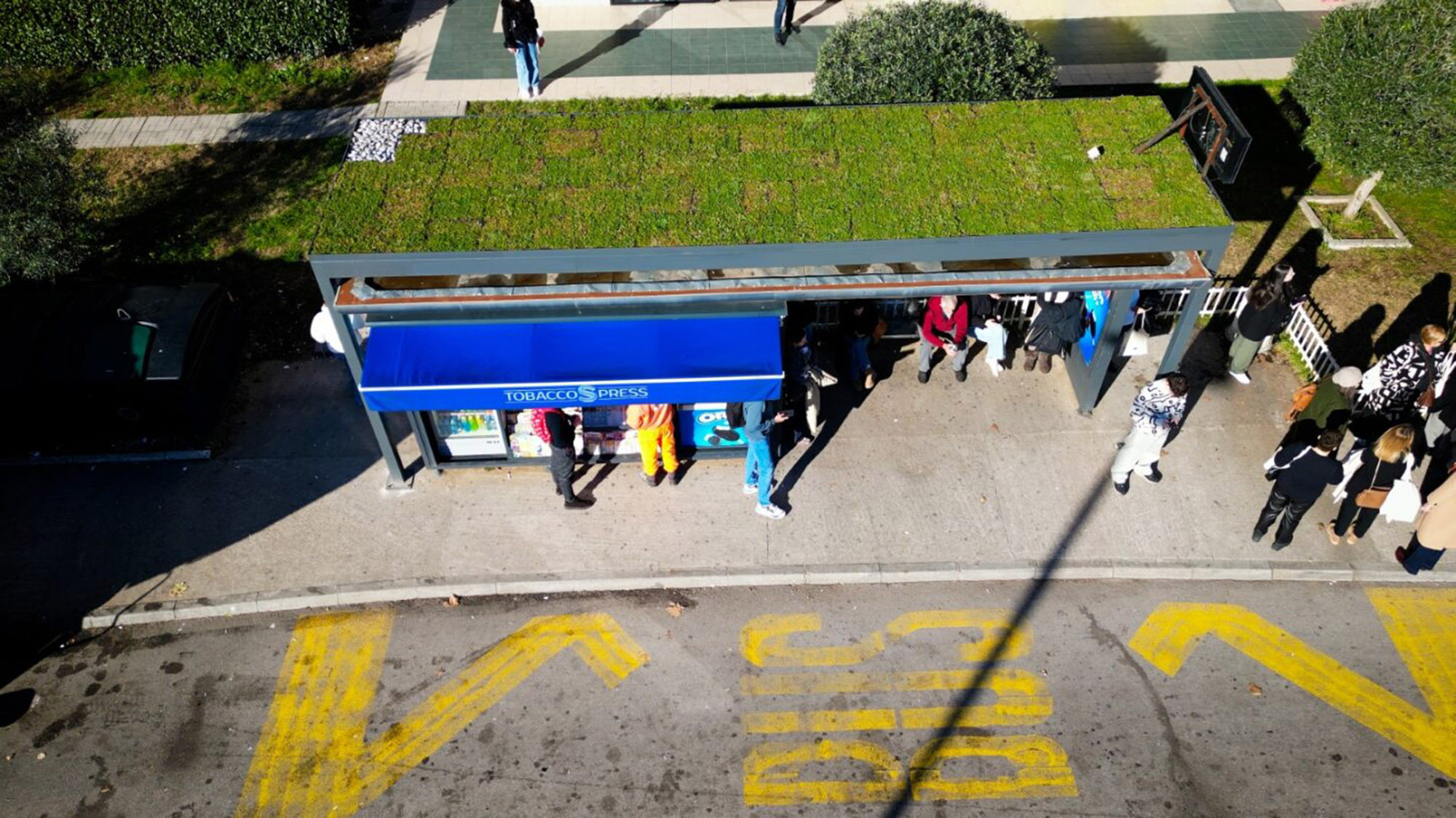
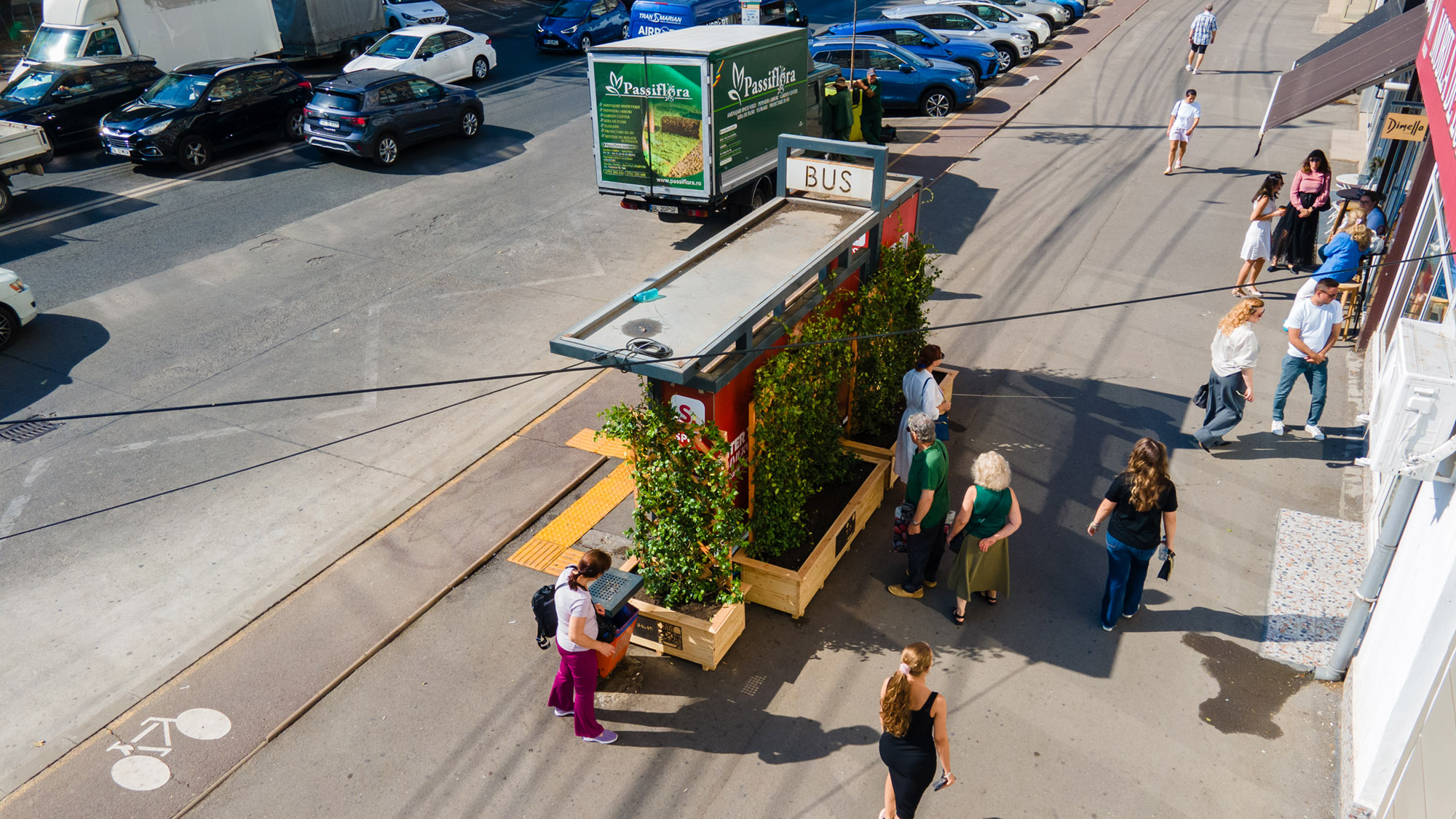
Podgorica – Green Bus Stop
The installation of a green roof transformed a common transport element into a cooling micro-space. The measure not only reduced the heat load but also brought aesthetic and ecological benefits.
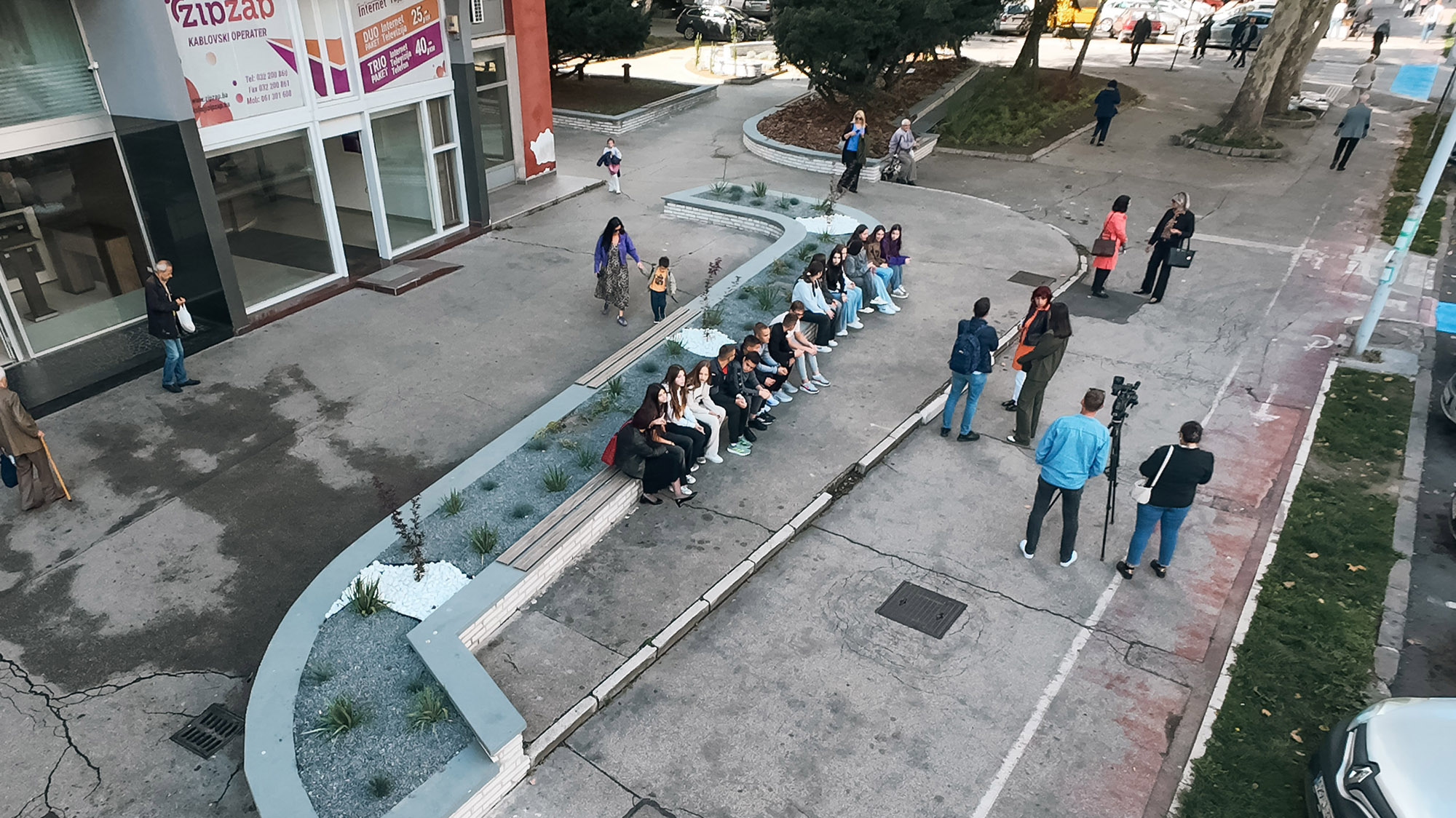
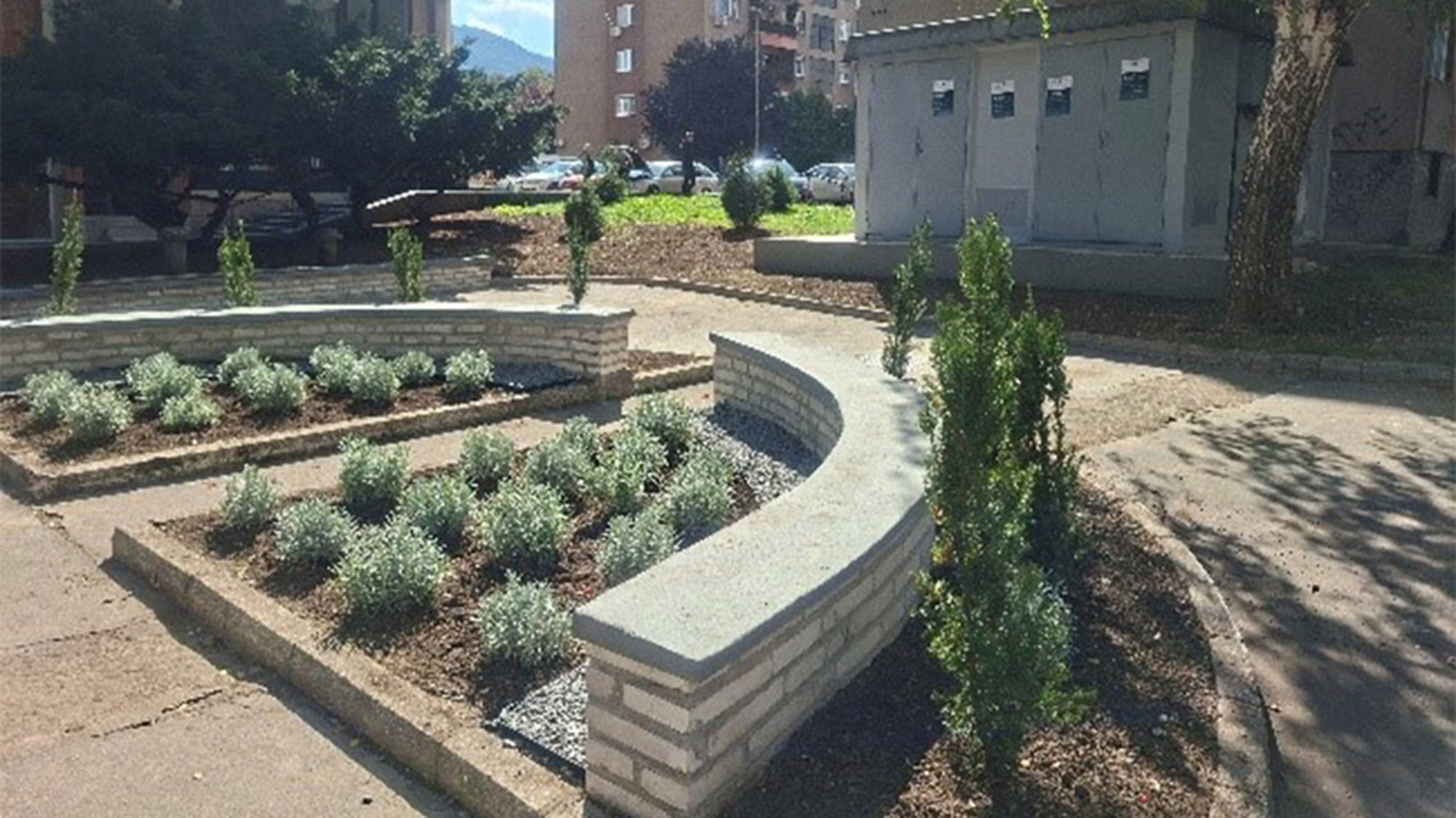
City of Zenica – Londža 2
The revitalization of a densely populated area through the planting of trees, shrubs, and perennials increased biodiversity and the quality of public space. The project showed that systematic greening and the addition of street furniture can significantly improve the microclimate and the everyday comfort of residents.
- Blue acupuncture – uses water features and rainwater management to reduce temperatures, increase thermal comfort, and strengthen the climate resilience of cities.
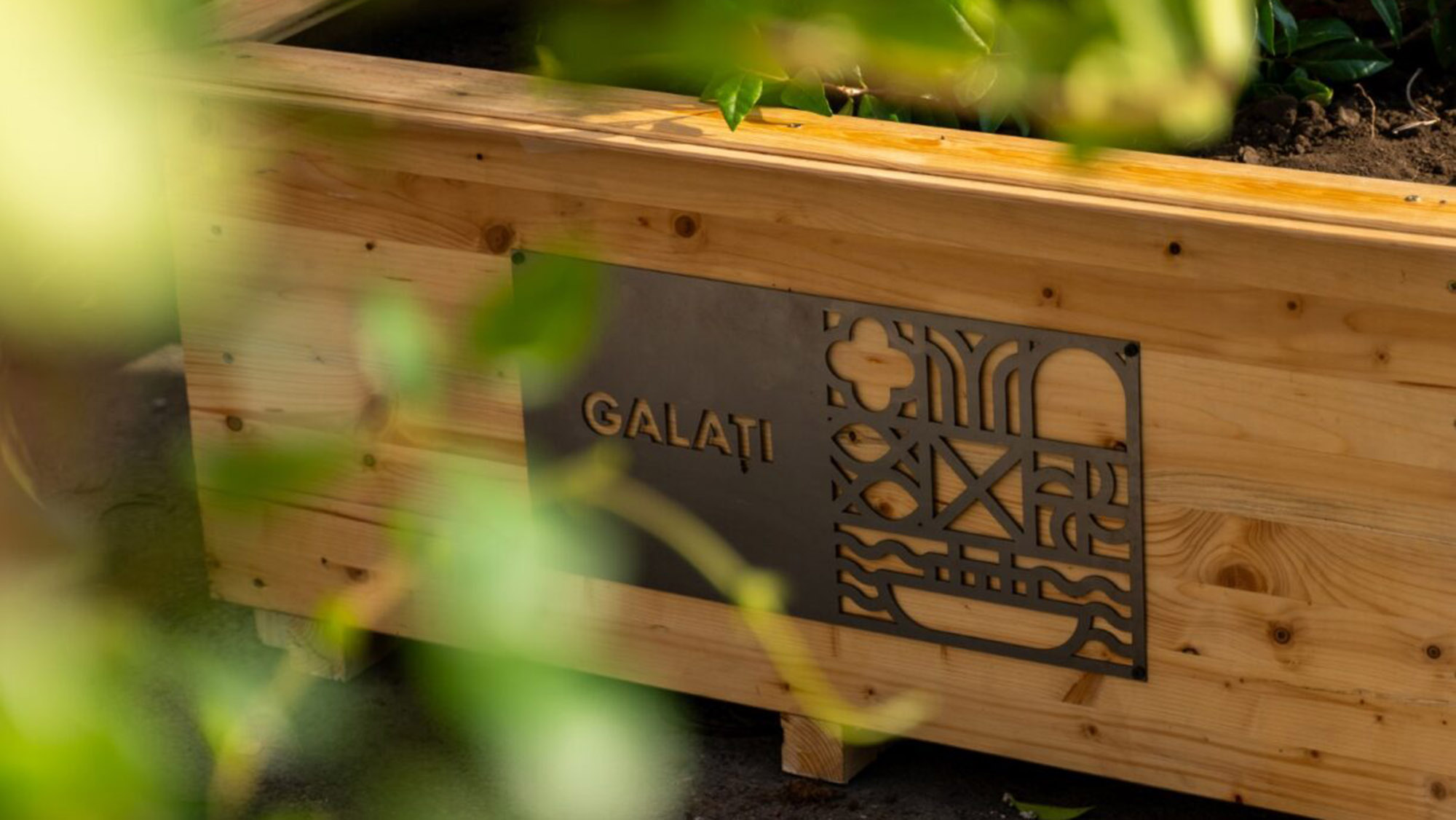
City of Galati – Integrated green-blue measures
A set of interventions including rain gardens, misting systems, and shading improved thermal comfort and water management. The project highlighted the importance of coordination and participatory planning.
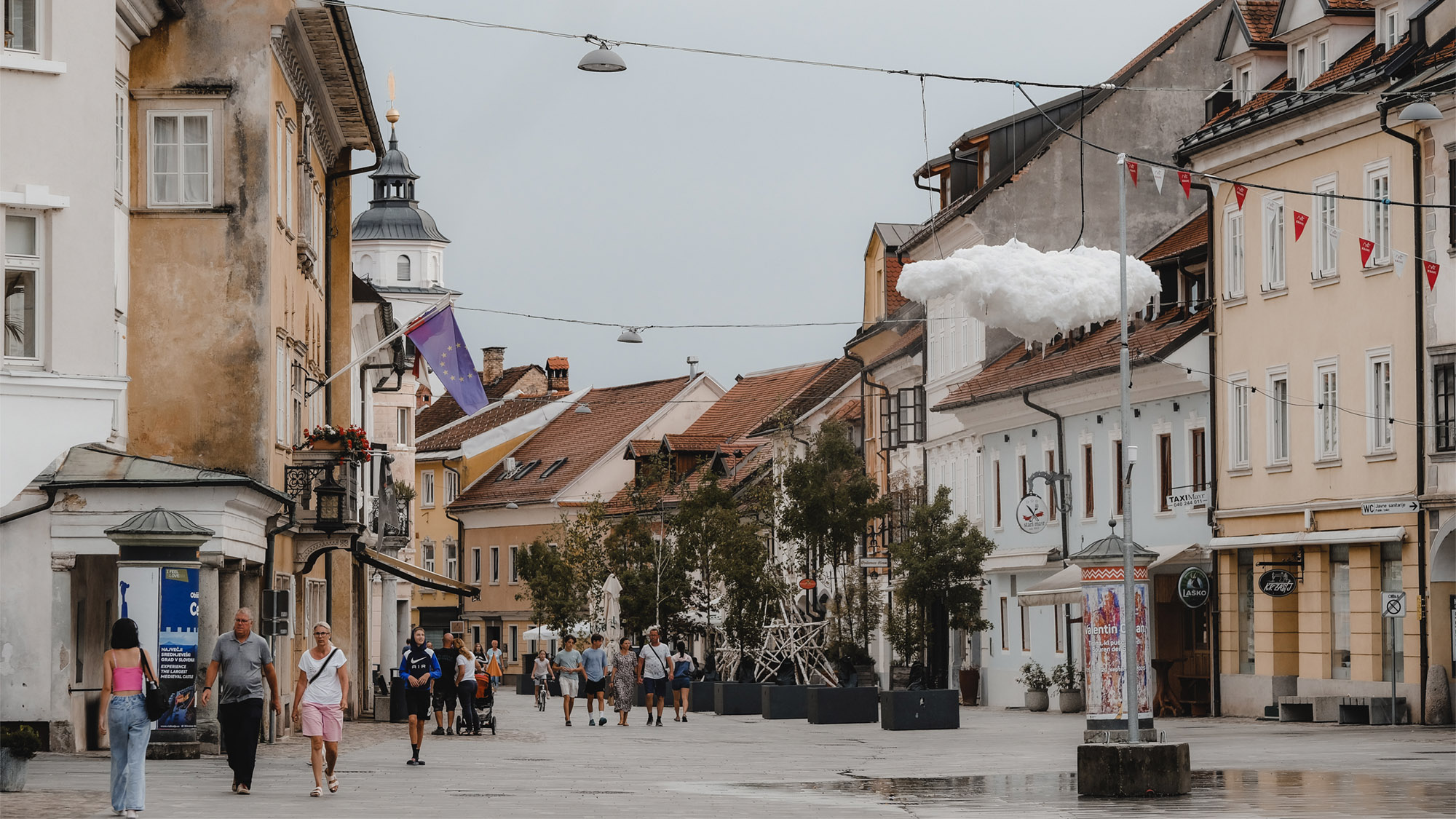
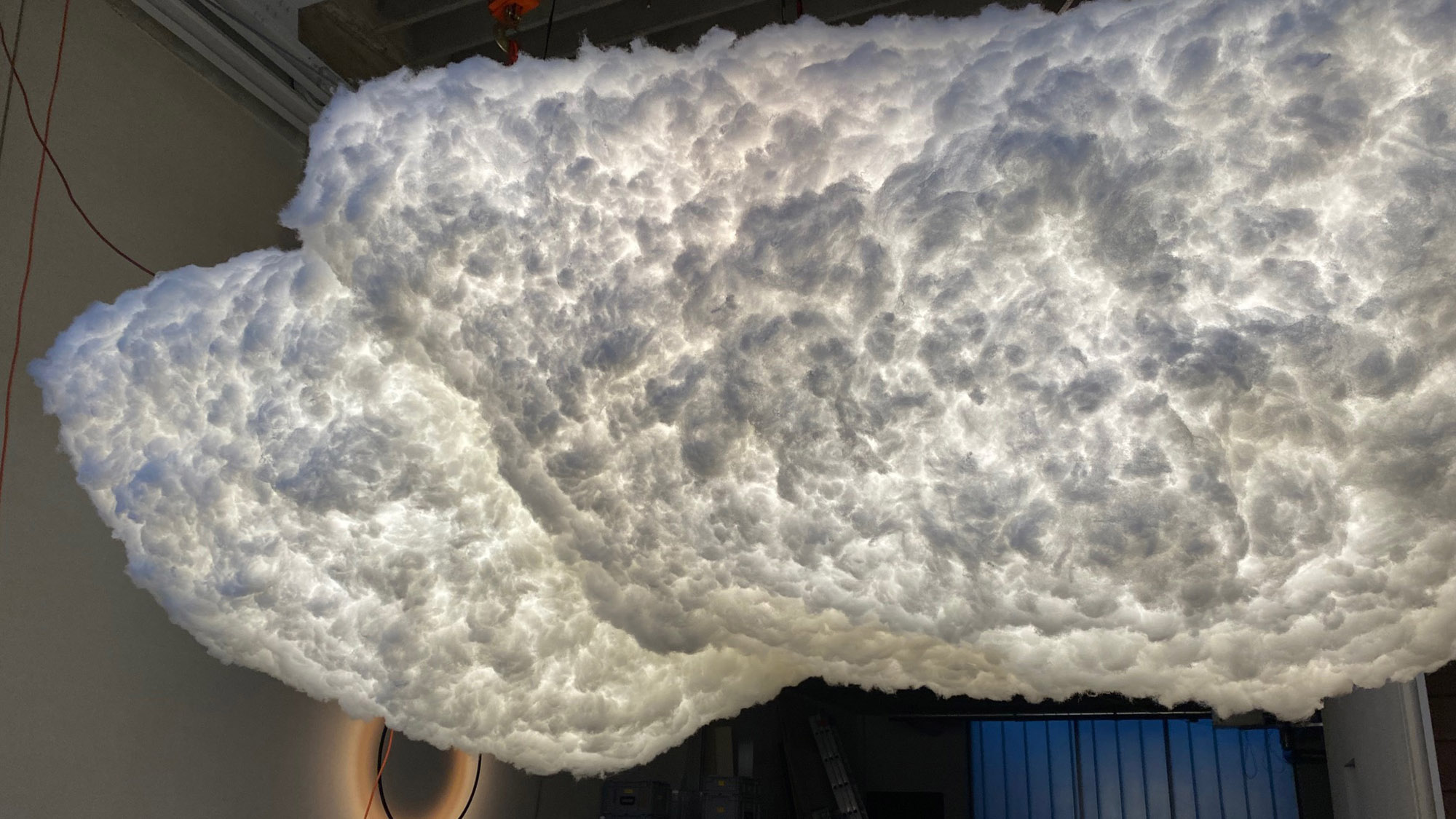
City of Kranj – Water Cloud
An innovative misting installation cools the historic city center while serving as an attractive public feature. The project confirmed that even temporary and creative solutions can have a strong climate and social impact.
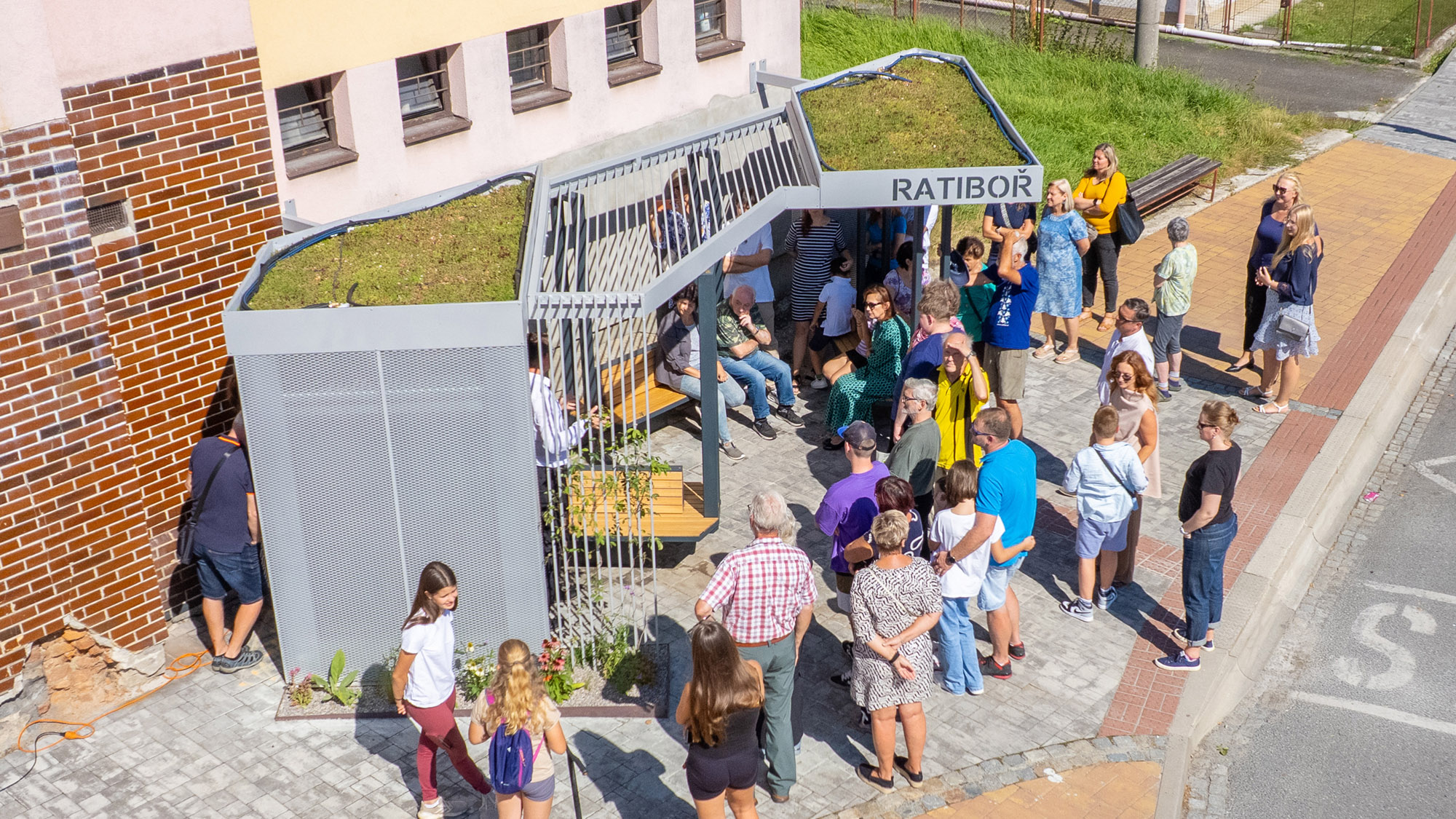
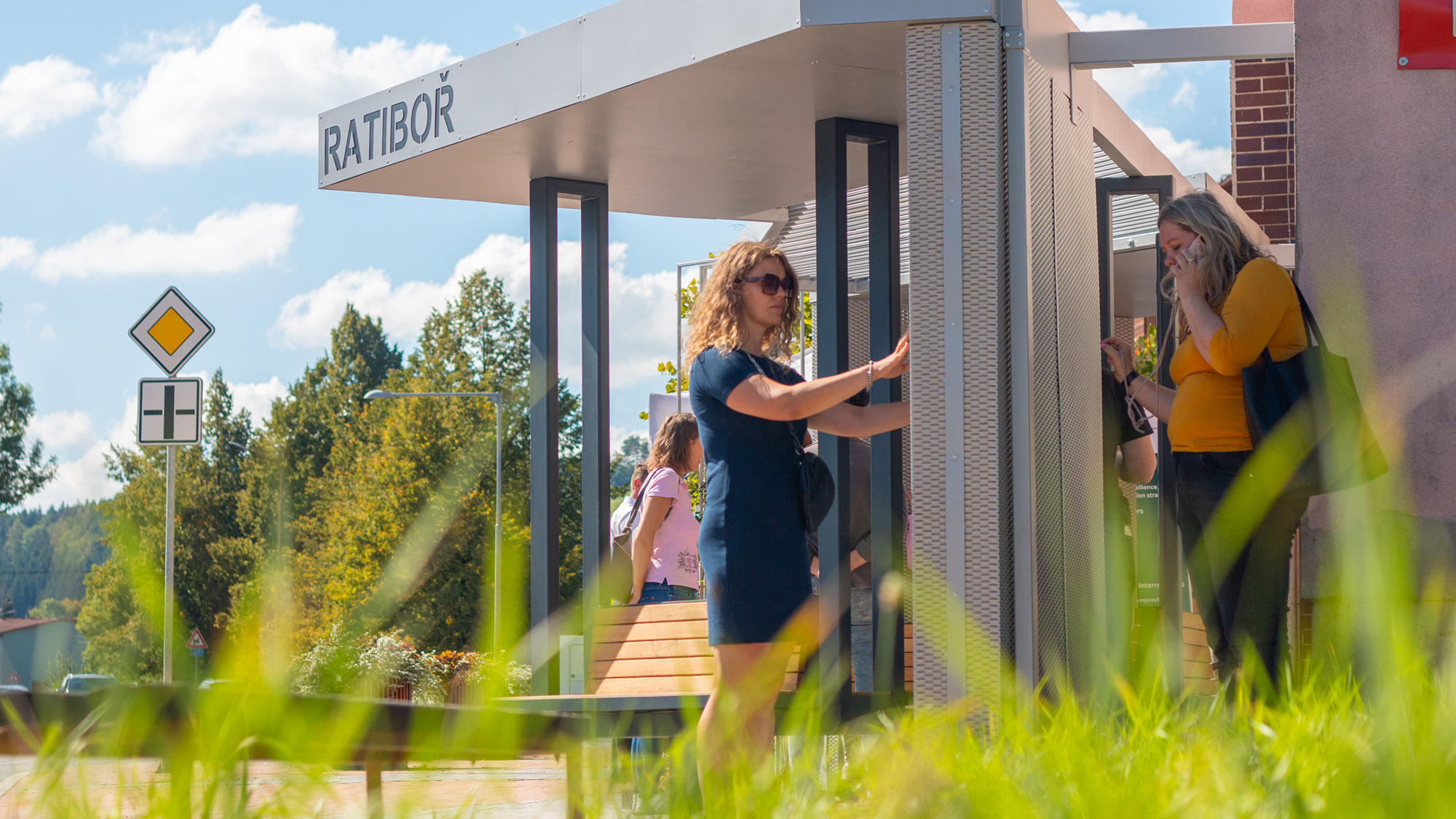
Municipality of Ratiboř – Bioclimatic Bus Stop
The stop uses adiabatic cooling and a green roof to improve the microclimate of a busy location. The project demonstrates the interconnection of technological and natural solutions on a small scale.
White acupuncture – works with reflective materials, light-colored surfaces, and shading structures that reduce urban surface overheating and heat accumulation.
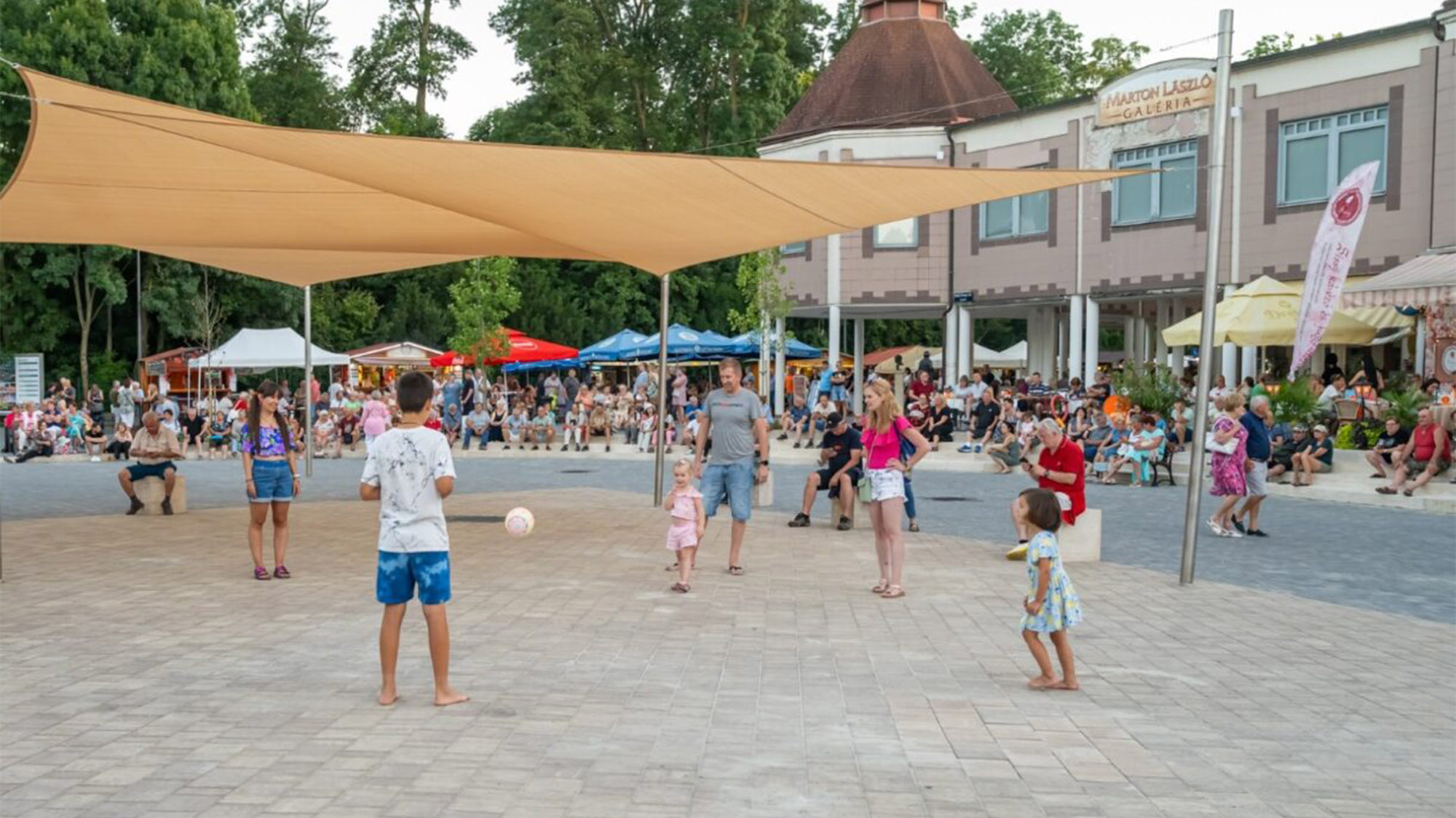
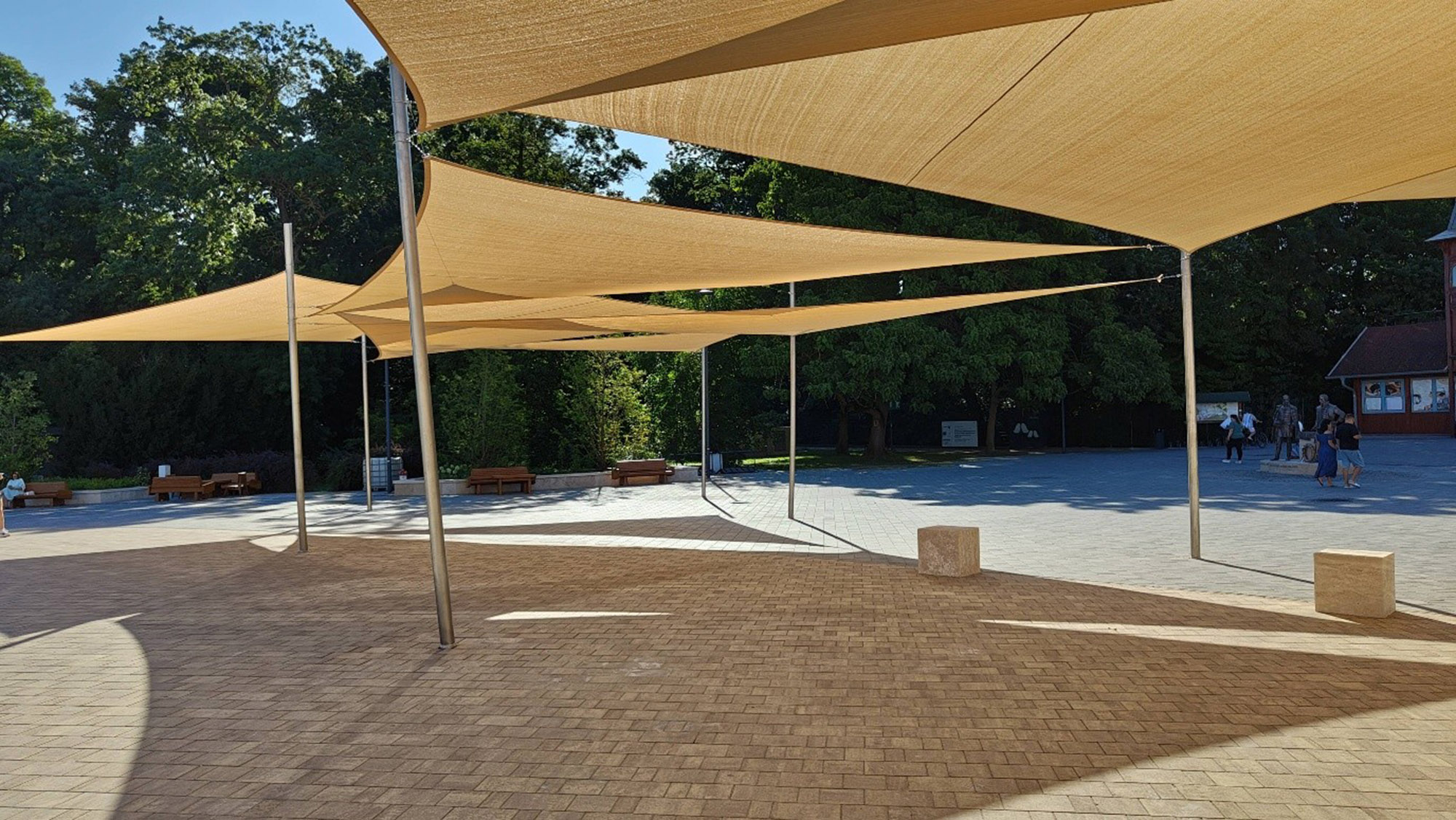
City of Hévíz – Sun sails
Lightweight shading structures brought immediate improvement to the thermal comfort of a heavily trafficked square. The project demonstrates the effectiveness of simple low-tech measures.
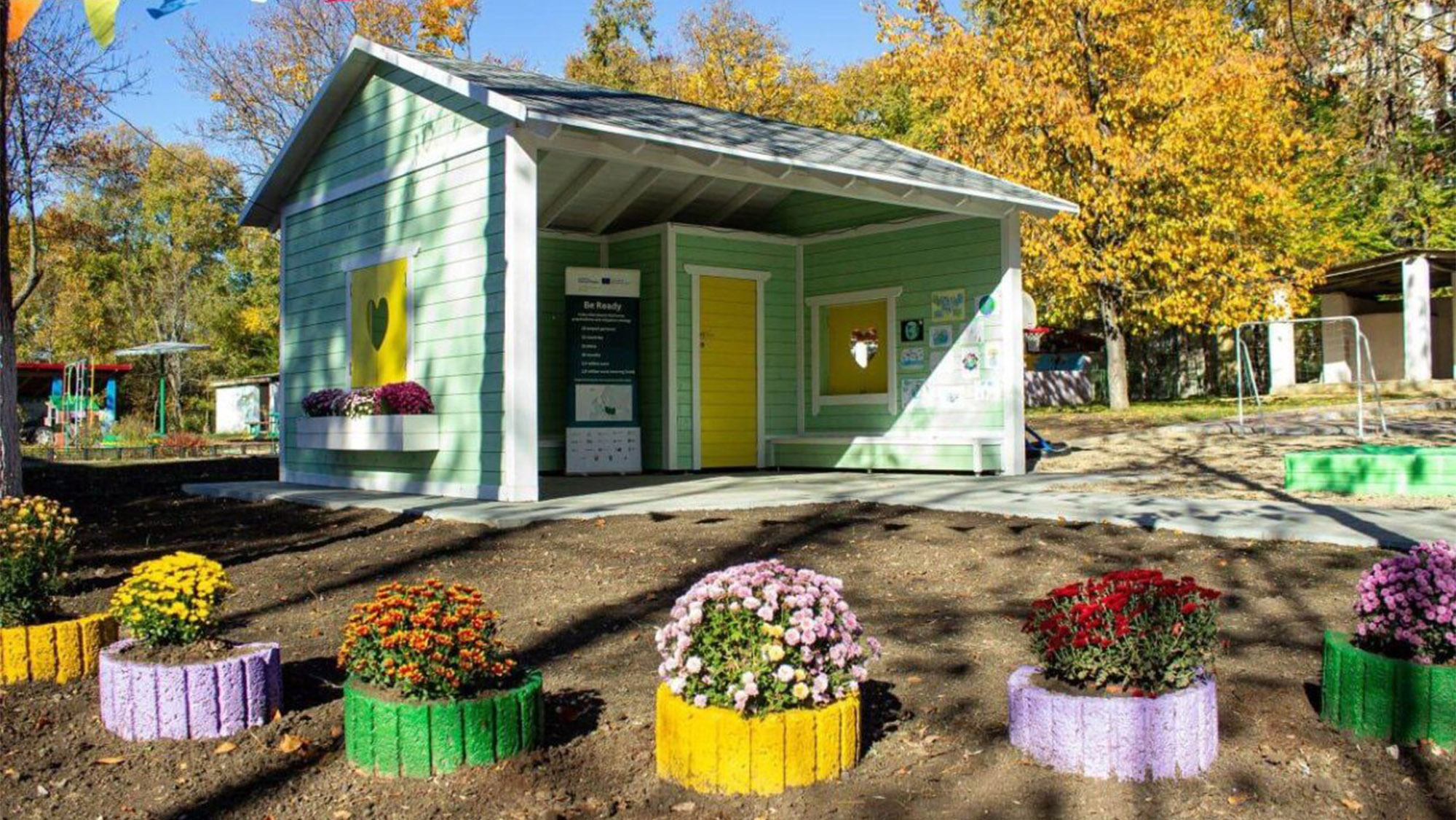
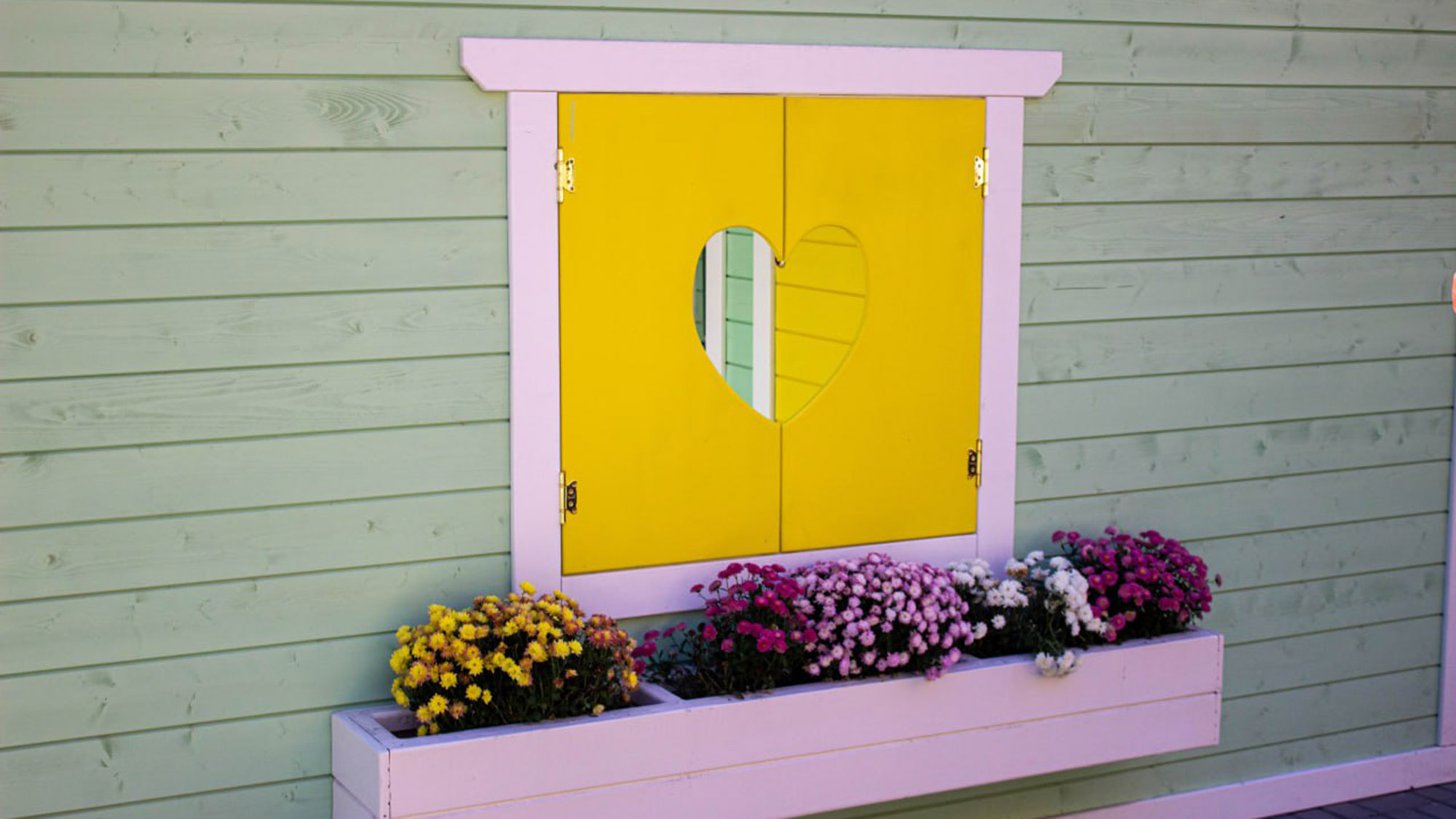
City of Chișinău – Children's pavilion
The new pavilion provides protection from the heat and encourages outdoor activities in the kindergarten environment. The intervention demonstrates the importance of adapting school infrastructure to climate change.
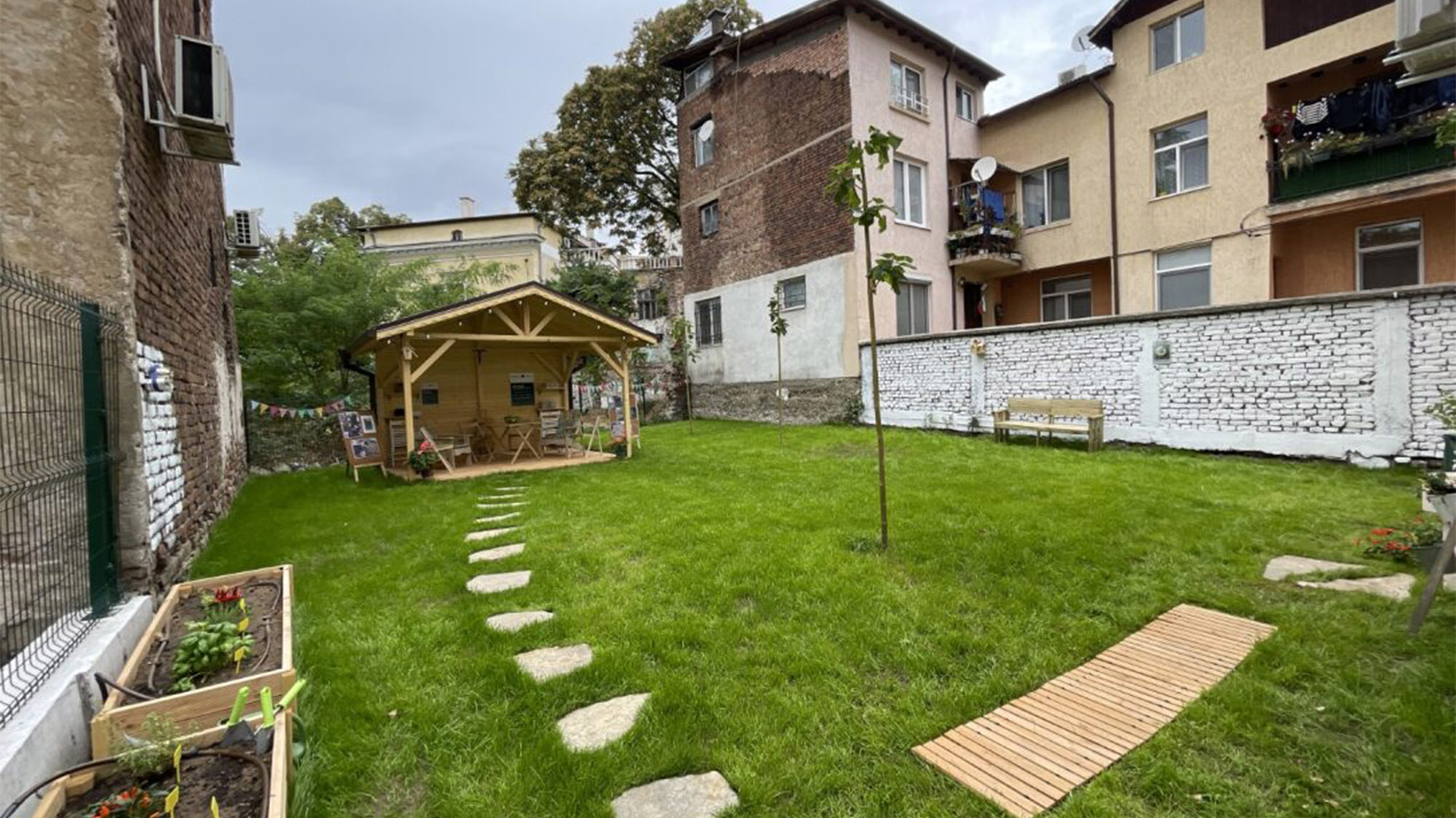
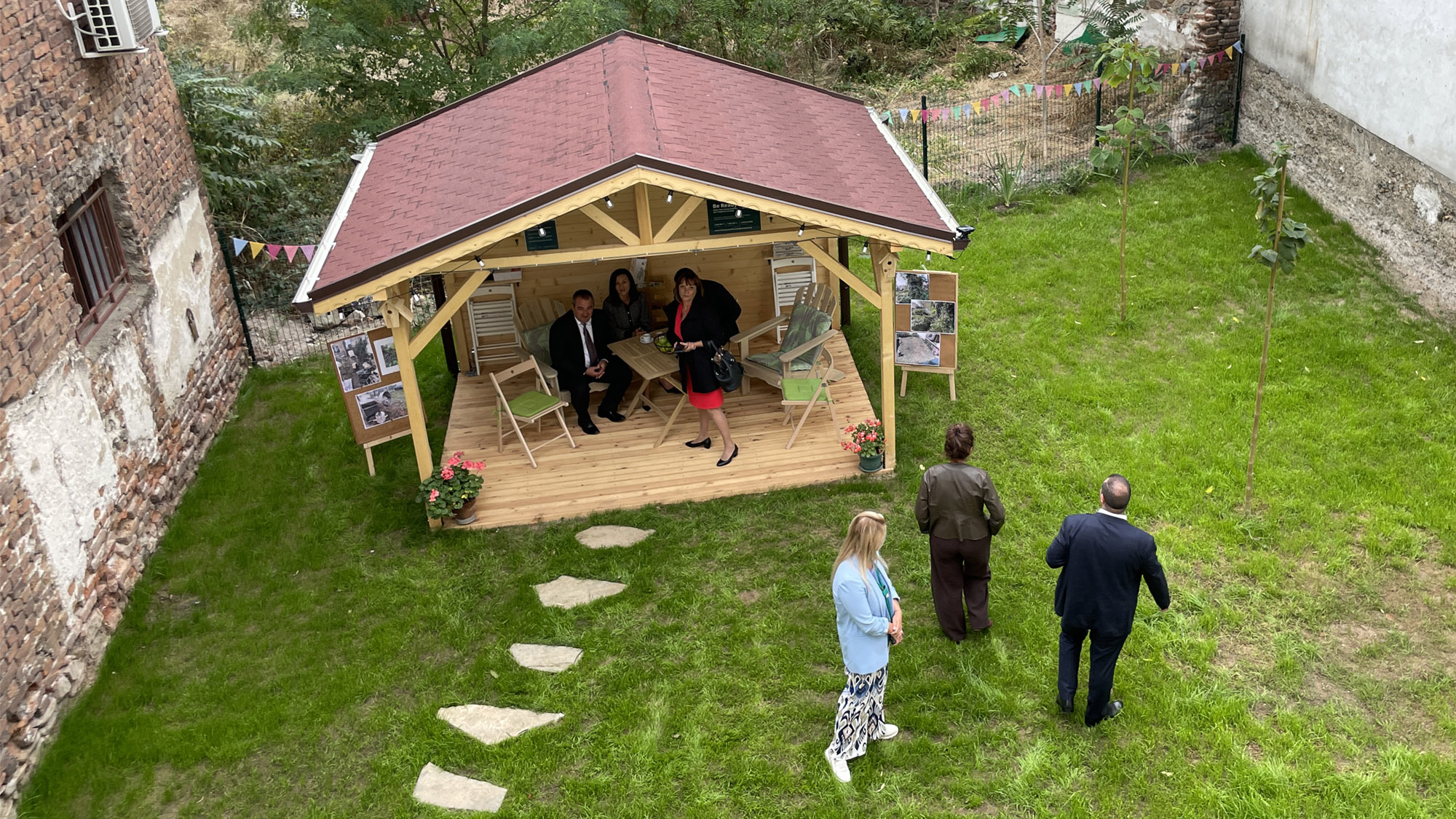
City of Sofia – Climate shelter
The transformation of a neglected courtyard has created a shaded and cooled space for the public. The project combines reflective surfaces, water features, and community functions.
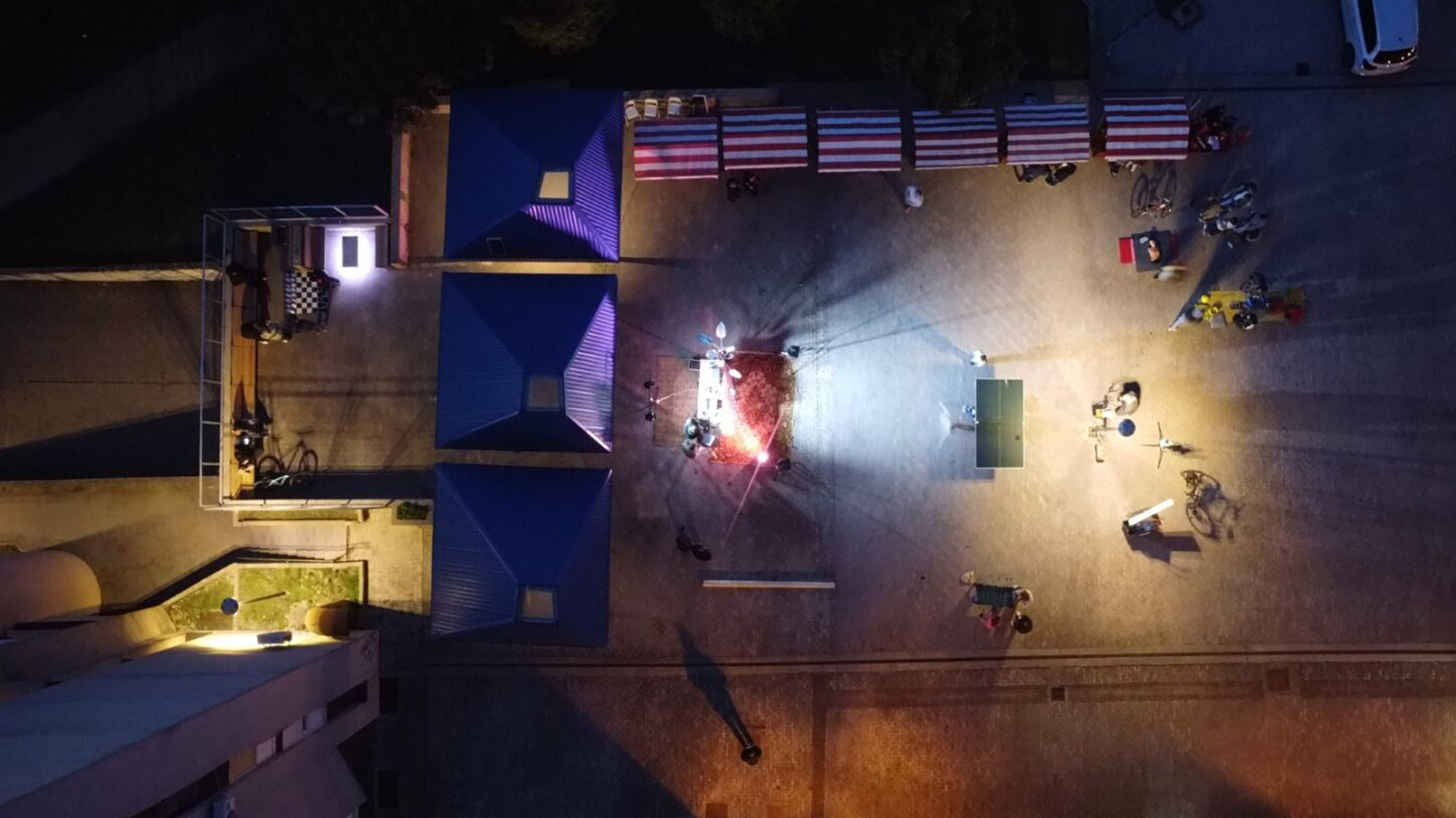
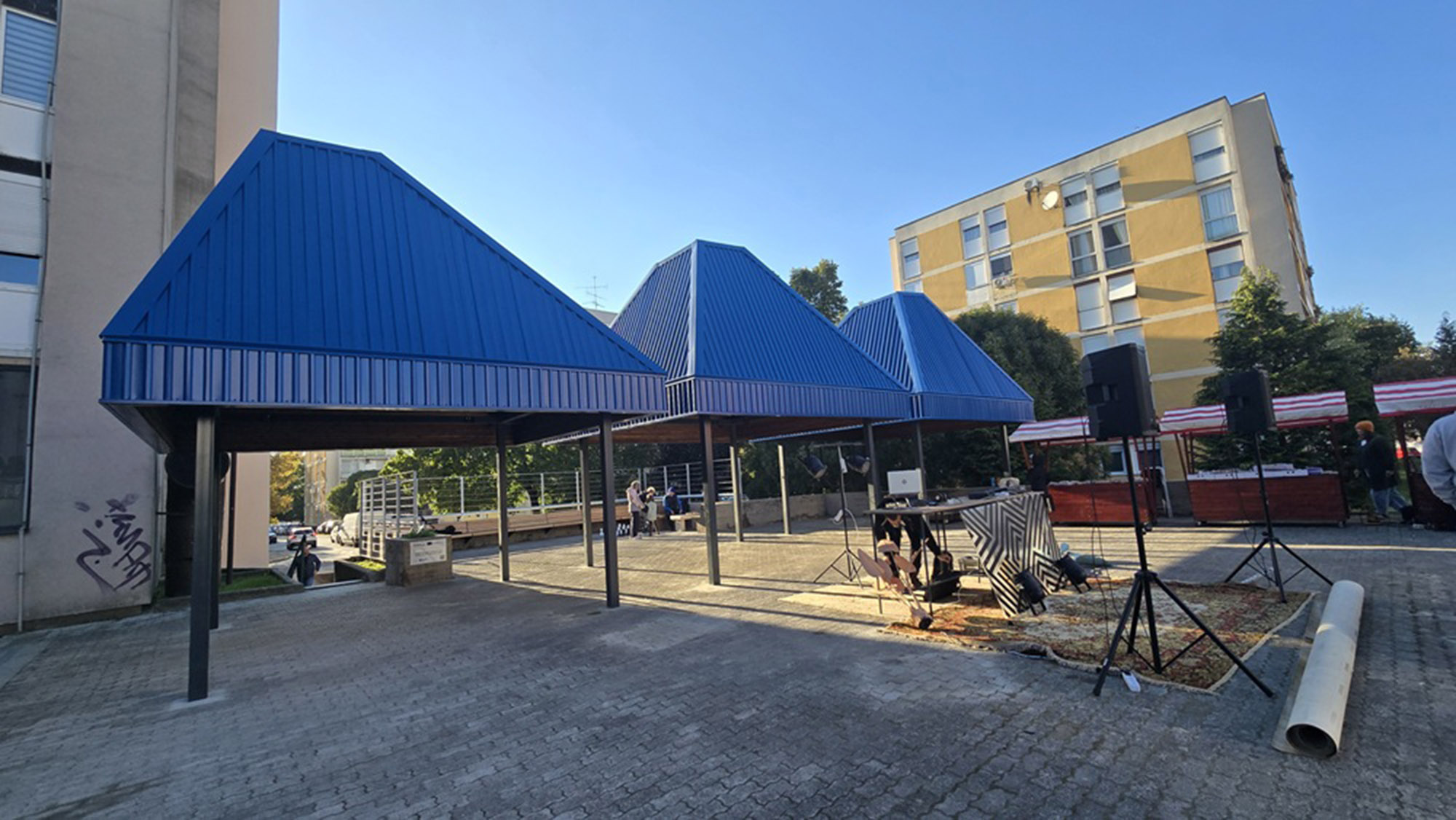
City of Varaždin – Mali plac
The installation of shading elements and new furniture has revitalized the overheated city square. The project confirmed that small investments can have a significant impact on the usability of space.
Pilot projects show that adapting cities to rising temperatures does not always require large and costly investments.
On the contrary, small, well-thought-out, and strategically placed interventions can quickly bring visible improvements to the quality of the environment and the everyday comfort of residents. Urban acupuncture is thus a practical and replicable tool for gradually building more resilient, pleasant, and healthier cities.